Apliu Street Tells Its Own History
Apliu Street, located right outside the Sham Shui Po MTR station (exits A2 and C2), is Hong Kong’s most famous electronics flea market, offering an eclectic mix of secondhand gadgets, tools, and spare parts. Unless you speak Cantonese, the name may not sound peculiar, but like many local streets, it tells its own story. Apliu Street (鴨寮街) literally means “Duck Shed Street”—a moniker far removed from modern technology.
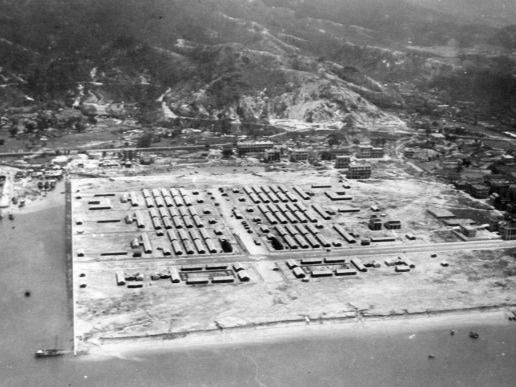
Before becoming a densely populated urban neighborhood, this area was a quiet rural village thriving on farming and fishing. Along the northern beach of the original village, low-income immigrants built matsheds—temporary huts made of bamboo and thatch—on the shore or stilted over the water. This specific pocket of land specialized in poultry farming and was known as Ap Liu (鴨寮), or “duck sheds,” due to the dense network of coops lining the waterfront.
By the late nineteenth century, a primitive market emerged where locals traded agrarian products. However, in 1912, a massive fire tore the village down. In response, the British colonial government undertook extensive land reclamation projects, filling in duck ponds and pushing back the coastline. The grid street built over the old village site was named Apliu Street, though the duck sheds never returned.
Eventually, fueled by Hong Kong’s post-war manufacturing boom, the area transformed into an electronics hub during the 1960s, paving the way for the street market we know today that truly boomed in the 1980s.

Comments